Straight answers to the questions people actually ask us.
What can the brain do that plain notes can’t?
It argues back. Propose a decision and Klypix can surface the earlier decision it contradicts, the standing rule that disputes it, or the approach the project tried and reversed. Notes store what you wrote. A project brain can answer with the receipt.
What happens when two agents change the brain at the same time?
Concurrent captures share a local write lock. At git time, the optional merge driver unions both sides after each machine registers it. If both sides changed one card, Klypix keeps both versions linked. Live overlap warnings are separate and currently same-machine.
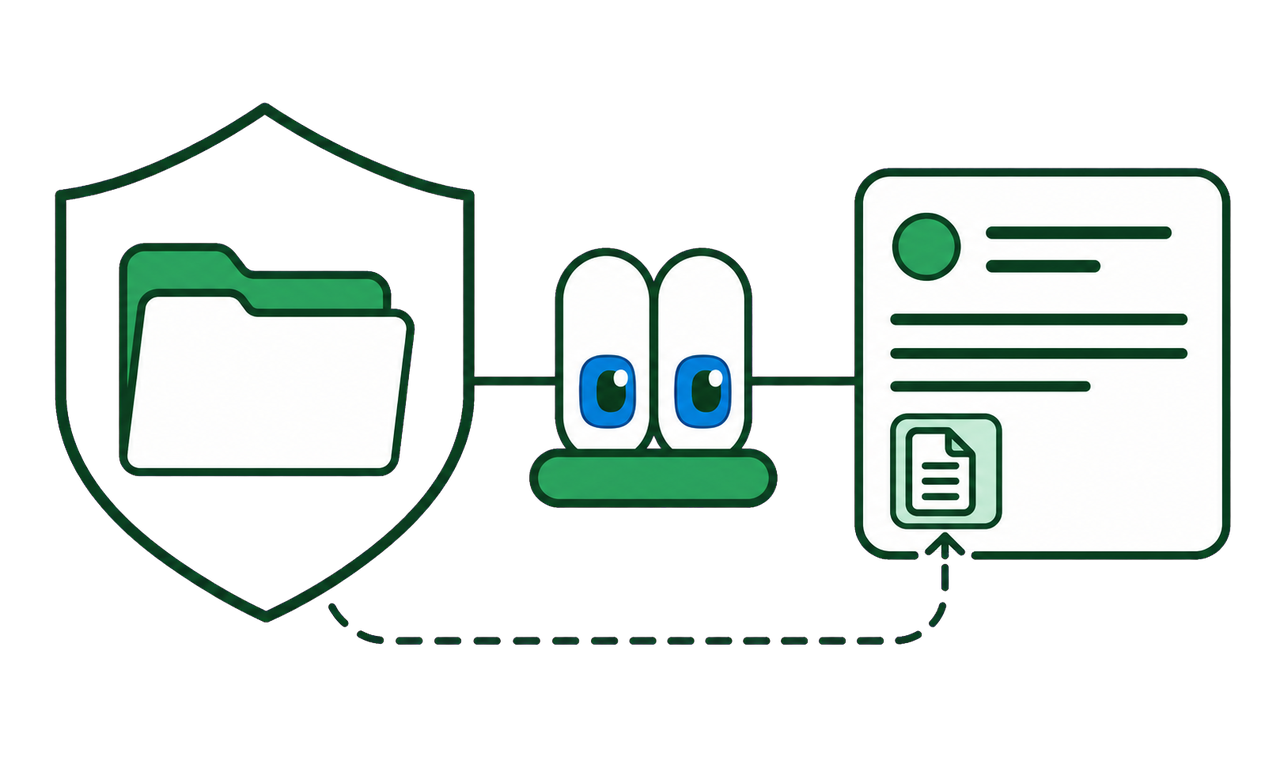
Whose file is it? What if I stop using KLYPIX?
Yours. The brain is a documented ZIP on your disk, with an Apache-2.0 parser. You can export to Markdown and JSON Canvas, extract the files, or open Obsidian canvas files directly.
Which AI tools can read it?
Claude Code gets the deepest automatic integration. Codex gets MCP tools and the brain_sync gateway. Cursor, Cline, VS Code / Copilot, Gemini CLI and Antigravity get project MCP config plus rules. Windsurf uses global MCP plus a rule, while Aider uses the CLI path. Integration depth varies by host.
Does Klypix replace Git?
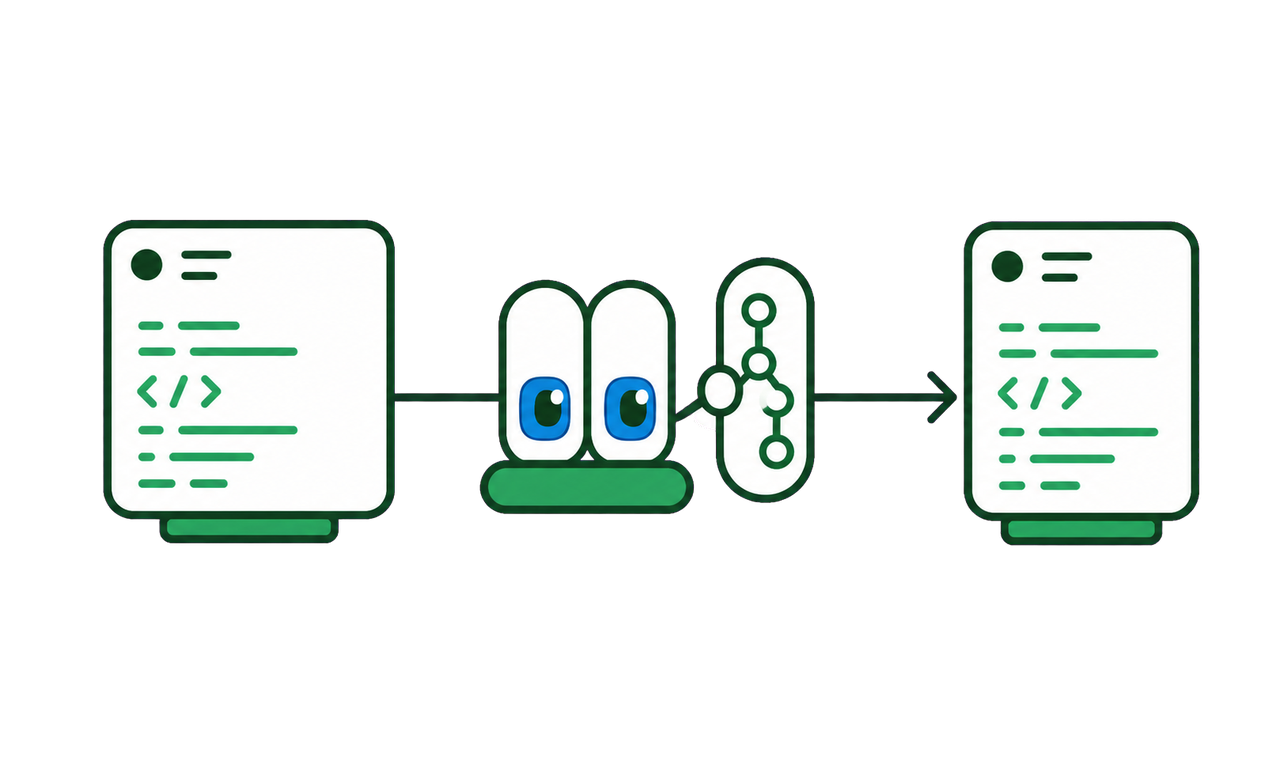
No. Git versions the code. Klypix keeps the decisions, rejected paths, corrections, and evidence the code cannot explain. brain.klypix lives beside the repository, so the understanding can travel with the branch.
Is KLYPIX a project management tool? Where is the Gantt chart?
No. Trackers assign work and dates. Klypix keeps the current decisions, corrections, evidence, and open questions that people and agents need while doing the work.
What about Graphify - do I still need KLYPIX?
Your repo shows what exists. It rarely explains why another path was rejected, which constraint came from a customer, or which decision replaced an older one. The brain keeps that reasoning current and available to the next supported session.
Isn’t a CLAUDE.md or rules file enough?
For one tool and one stable project, often yes. The pain begins when decisions change or a second agent starts. A Klypix brain retrieves task-relevant context, records explicit corrections, stamps provenance, and surfaces declared exact-file overlaps on the same machine.
Is this just RAG or a memory plugin?
No. Passive memory appends and retrieves. Klypix manages state: a confirmed correction supersedes the stale answer, brain_challenge tests proposed decisions against standing rules and reversed approaches, and a decision anchored to code that has since changed is flagged before an agent relies on it.
I already have a working project. What does a fresh brain know on day one?
On day one, only what you or your agent capture. Klypix does not invent project history. Its value compounds as decisions, corrections, evidence, and open questions are written back.
Can my teammate and I use one brain from two computers?
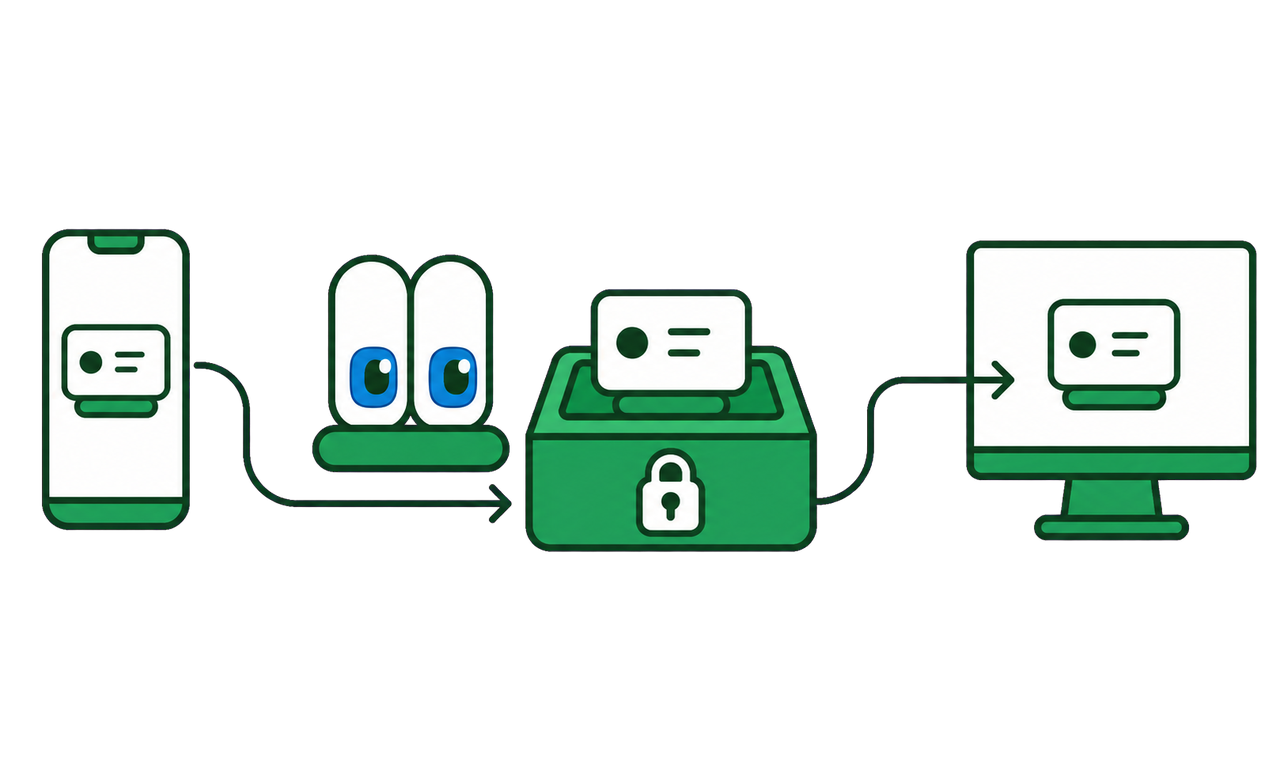
Yes, through the repository. Commit brain.klypix and each teammate can pull the same durable understanding. Live session presence and overlap warnings are currently machine-local, so two laptops do not see each other’s sessions.
What is KLYPIX not?
Klypix does not create, launch, route, supervise, or run agents. It is a portable project workspace with a shared brain that the tools you choose can read and update.